Friday, September 30, 2011
CoralSeas
Crabs and coral reefs have a symbotic relationship. Crabs are most likely to be found in the center of the coral colony. The coral reefs provide protection for the crabs against predators. The crabs make the corals flourish and make them look more lively.

Monday, September 26, 2011
Adhesion,Cohesion,andSurfaceTension
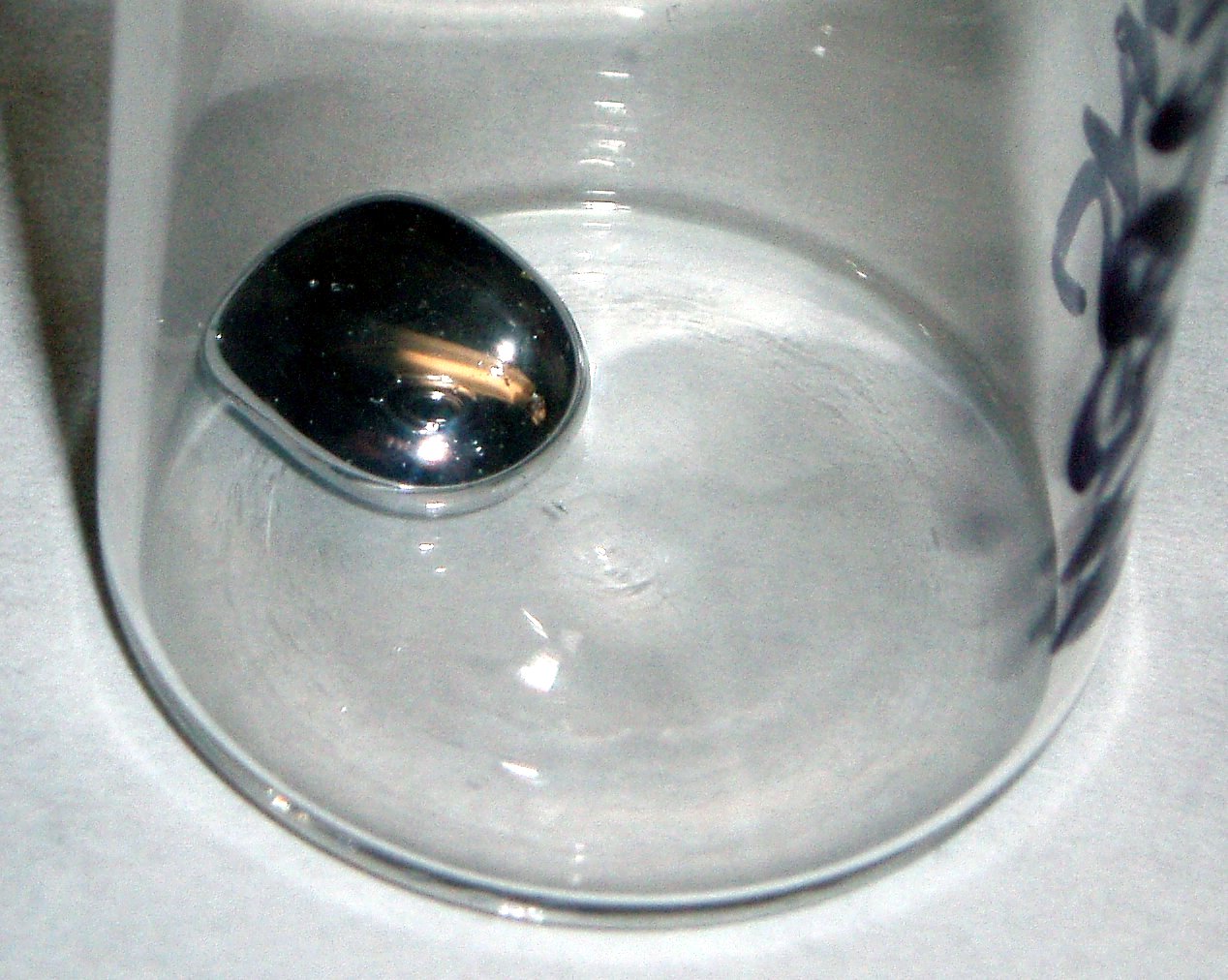
This is an example of cohesion, this is where the molecules stick to each other. Mercury has more cohesion then adhesion.
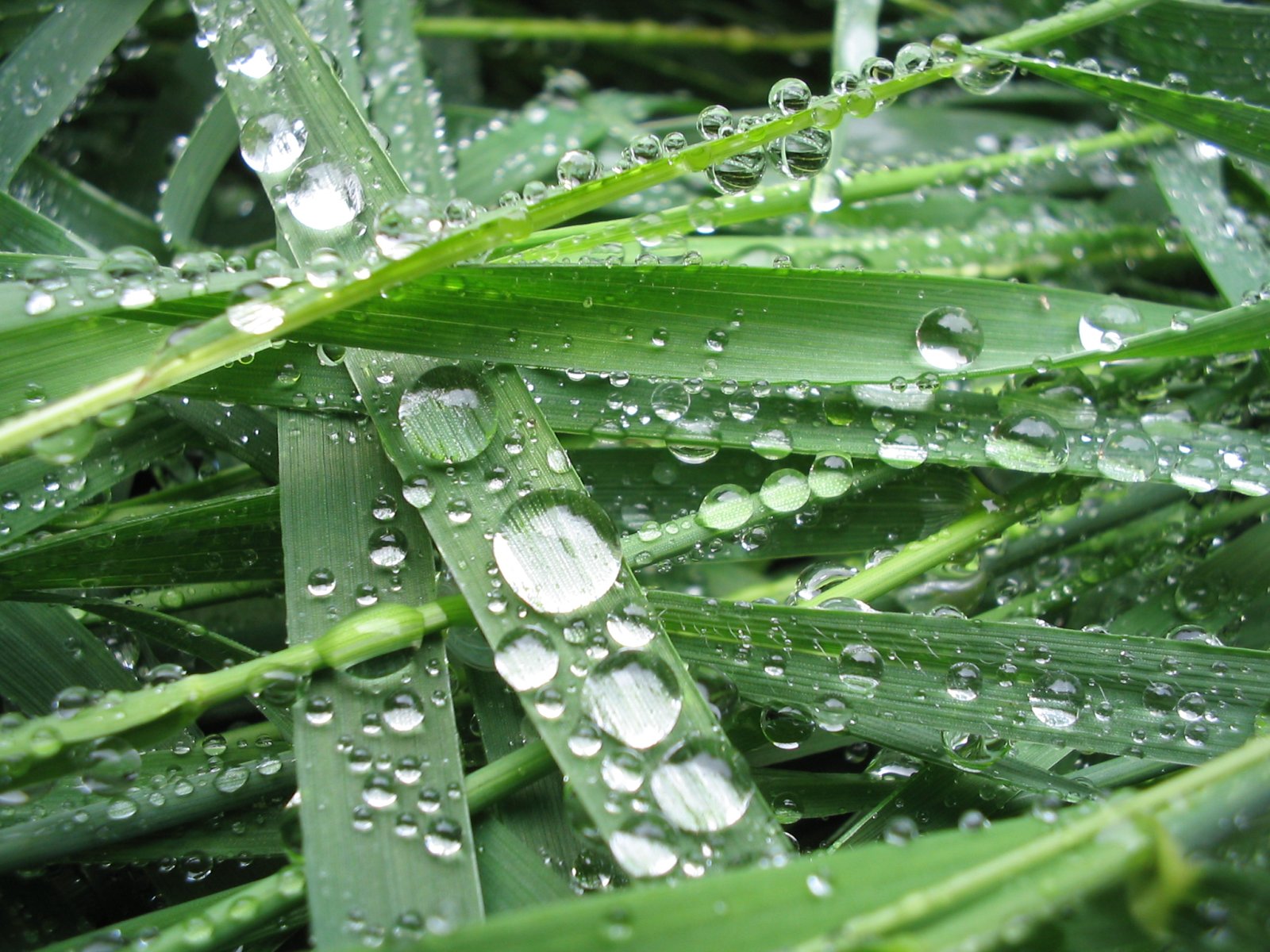
This is Cohesion. This makes the water droplets stay in place on the blades of grass.
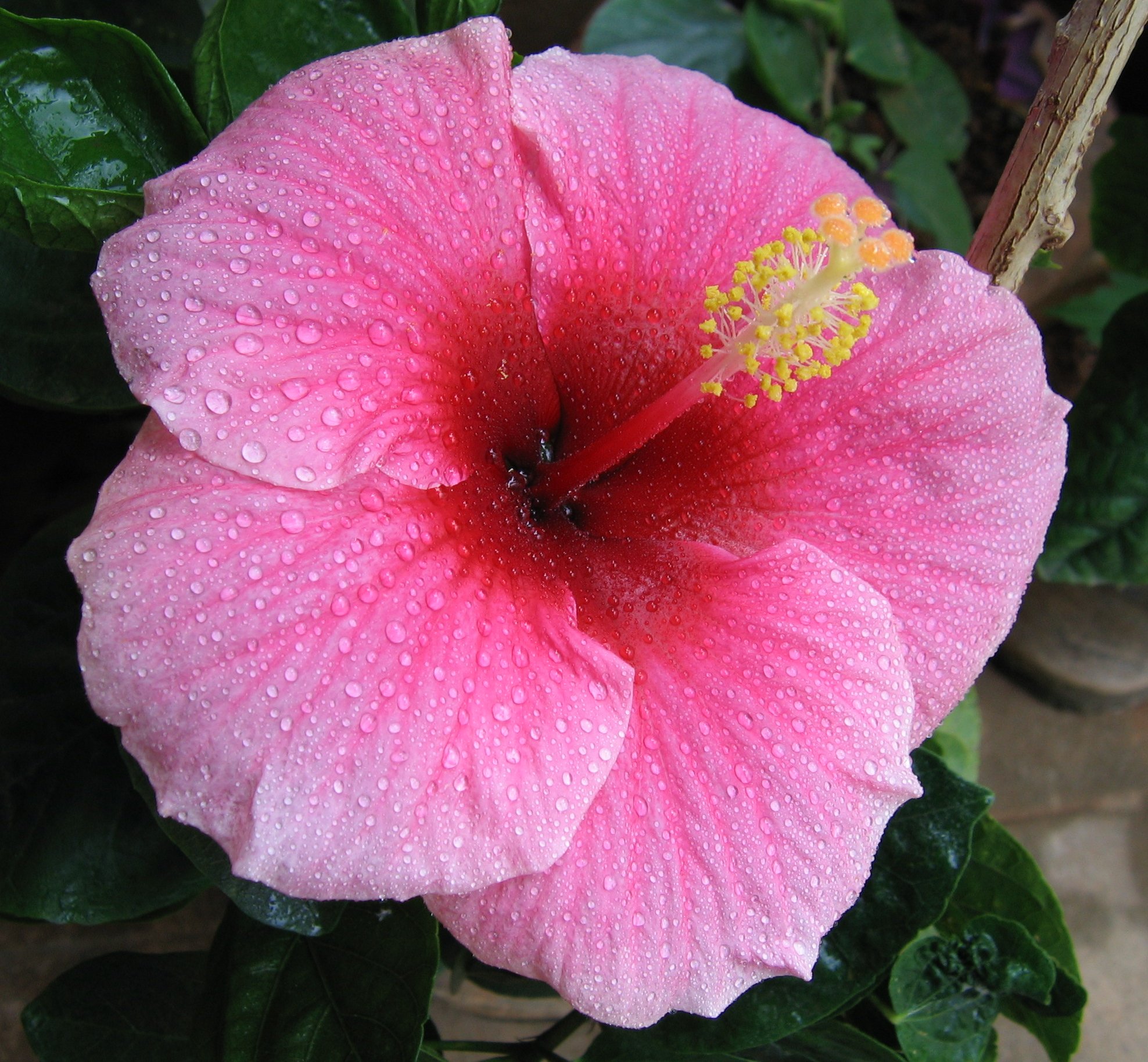
The water droplets on this flower a nearly round. This is an example of surface tension.
Eu-,A-,and Dis- photic
The euphotic zone is the brightest in the ocean. Its towards the top of the waters and has tons of light. There is a very large amount of animals that are adapted to to living in this region. The bottlenose dolphin is one. Dolphins need to be near the top of the water because they come up for air, that they take in through their blowhole. These animals also live in the tropical and temperate waters, being towards the top means the warmer the water. Bottlenosed dolphins find food at the surface of the water, things like fish and squid are the main source of food.
The next is the "twilight zone", or disphotic. There is very little light here, almost none. The animals that live in the disphotic zone are adapted to life in near darkness, cold water, and high pressure. Many of the animals in this zone have large eyes, helping them see in the extremely dark waters. Most are small, dark, and thin. This helps camoflauge them. Many have large teeth and jaws. But among all the animals with teeth, jellyfish are in the small category that don't have any. Although they don't have teeth, they do eat fish. These animals don't have eyes, but they can light up and have a pulsating effect in the dark waters. Jellies have soft bodies and long, stinging, poisonous tentacles that they use to catch fish.
The deepest, darkest part of the ocean is the aphotic zone. Many of the animals here generate their own light. Their bodies are mostly all dark and long. Fish like the hatchetfish are adapted to look like the lighter waters above so they can't be seen different from the bottom. These fish have one side darker then the other and have photofors that can change to the color of the surface water above. This makes them almost invisible from below.
The next is the "twilight zone", or disphotic. There is very little light here, almost none. The animals that live in the disphotic zone are adapted to life in near darkness, cold water, and high pressure. Many of the animals in this zone have large eyes, helping them see in the extremely dark waters. Most are small, dark, and thin. This helps camoflauge them. Many have large teeth and jaws. But among all the animals with teeth, jellyfish are in the small category that don't have any. Although they don't have teeth, they do eat fish. These animals don't have eyes, but they can light up and have a pulsating effect in the dark waters. Jellies have soft bodies and long, stinging, poisonous tentacles that they use to catch fish.
The deepest, darkest part of the ocean is the aphotic zone. Many of the animals here generate their own light. Their bodies are mostly all dark and long. Fish like the hatchetfish are adapted to look like the lighter waters above so they can't be seen different from the bottom. These fish have one side darker then the other and have photofors that can change to the color of the surface water above. This makes them almost invisible from below.
Thursday, September 22, 2011
Atoms, molecules, and seawater chemistry homework; S
Since the air is cooler then the soup, the air is cooling the soup down. There is heat flowing from a hot object to a cold object. The particles in the soup begin to slow down while it cools.
Tuesday, September 20, 2011
FoodChainsInTheOcean
Plankton is a widely consumed animal in the ocean. With plankton being so small most people think that they don't eat much of anything, not true. Plankton are known as phytoplankton, in other words a plant. Most don't get their food like other plants do, through photosynthesis. Plankton eat other plankton. A huge amount of animals eat plankton like, sea stars, jelly fish, shrimp, snails, whales, small fish, and zooplankton. This can be the only thing that some of these animals eat.
Friday, September 16, 2011
Monday, September 12, 2011
BelugaWhale:ArticAdaptations

The beluga is a thin, four meter long, one ton whale. They are tend to be very scarred. Most scars caused by a polar bear looking for a nice meal in the frozen desert. The beluga keeps a whole present on the surface of ice, for breathing, by constantly swimming and making movement. These animals do well in the artic waters because they have a higher blubber content. They also can hold their breath for upto twenty minutes, for those deep sea dives to find food towards the deeper part of the ocean.
Thursday, September 8, 2011
55th Parallel North/Atlantic.
Our plates are the North American and Eurasian. We have a trench in the Atlantic Ocean, which we cross. Our deepest trench is more then -10,000 ft. The plates in which we are on are convergent. Meaning that they pull apart, forming the trench. About 500 ft from the shoreline is where the trench starts to form.
The continental margin near Newfoundland, Canada is larger then that of the Pacific. With this being, our continental shelf is rather large. The margin near Ireland is much smaller then that of Newfoundland. Our continental rise is less steep being that we are in the Atlantic. Our ocean floor is shallow until you reach the trench then it becomes shallow again as you head closer to Ireland.
The continental margin near Newfoundland, Canada is larger then that of the Pacific. With this being, our continental shelf is rather large. The margin near Ireland is much smaller then that of Newfoundland. Our continental rise is less steep being that we are in the Atlantic. Our ocean floor is shallow until you reach the trench then it becomes shallow again as you head closer to Ireland.
Tuesday, September 6, 2011
BluePlanet:OpenOcean
I learned many interesting things in this video. One being that the birds can dive up to 70 meters below the surface. I also learned that the dolphins help bring the fish to the birds. They move the fish there and help keep them in one general area so they can grub and help the birds grub. Another thing learned was that spinner dolphins can jump up to 20 feet out of the water. As they migrate to their feeding grounds they swim around and play and 'spin' out of the water.
Subscribe to:
Posts (Atom)