Thursday, October 27, 2011
TidalData/TheMoonAndTides
The moon pulls the tides towards it. In the Hawaii the Oahu tides are low up to four times a day. The tides can be very high, great for surfing. Or also quite low. For people that surf and tourists wanting to swim its very important to know when the tides are high or low for multiple reasons.

Monday, October 24, 2011
WhyDoWeStudyOceanWaves??
"Location, location, location." This phrase is widely used, but it is also beneficial to those looking to purchase land around the ocean, and on the coastline. Wave erosion is a big contendor to property on the coasts. Wave erosion is when the land is removed by wave action, tidal waves and wave currents. Once about half the lot is gone, buyers realize that soon there won't be any lot left. By studying the rate of erosion potential buyers are able to guesstimate wether or not it is worth is to purchase the lot of intrest. This is beneficial in knowing if they are making the right decision in purchasing the land, or it it will become nothing but ocean floor.
Thursday, October 20, 2011
::CoastalSeas
The galapagos iguana is one of the only species in the lizard family that lives in both water and on land. The males can dive down deep to get their daily meals. The females stay attached to the rocks and eat the sea weed and moss. These animals are cold blooded which means that they cannot stay under water for more then ten minutes without returning to the surface to warm back up. There are between 5,000 and 10,000 lizards on the Galapagos Islands.
Thursday, October 6, 2011
Wind/CurrentInteraction.
The currents move because of the winds. The winds are caused because of the different pressures in the different regions. When the winds are deflected, because of the coreolis effect, causing the winds to move the waters. The water moves in the same way as the winds.
Friday, September 30, 2011
CoralSeas
Crabs and coral reefs have a symbotic relationship. Crabs are most likely to be found in the center of the coral colony. The coral reefs provide protection for the crabs against predators. The crabs make the corals flourish and make them look more lively.
Monday, September 26, 2011
Adhesion,Cohesion,andSurfaceTension
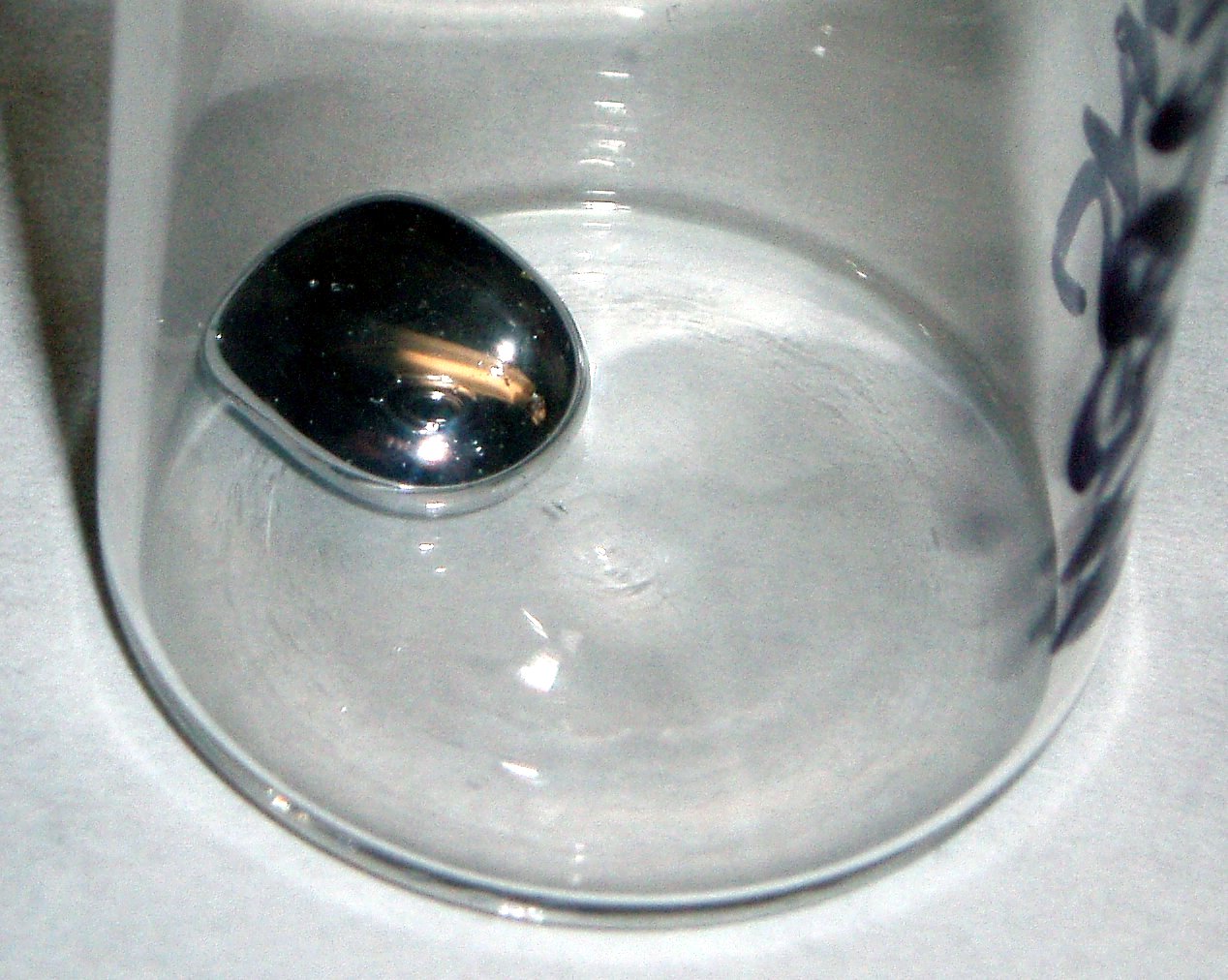
This is an example of cohesion, this is where the molecules stick to each other. Mercury has more cohesion then adhesion.
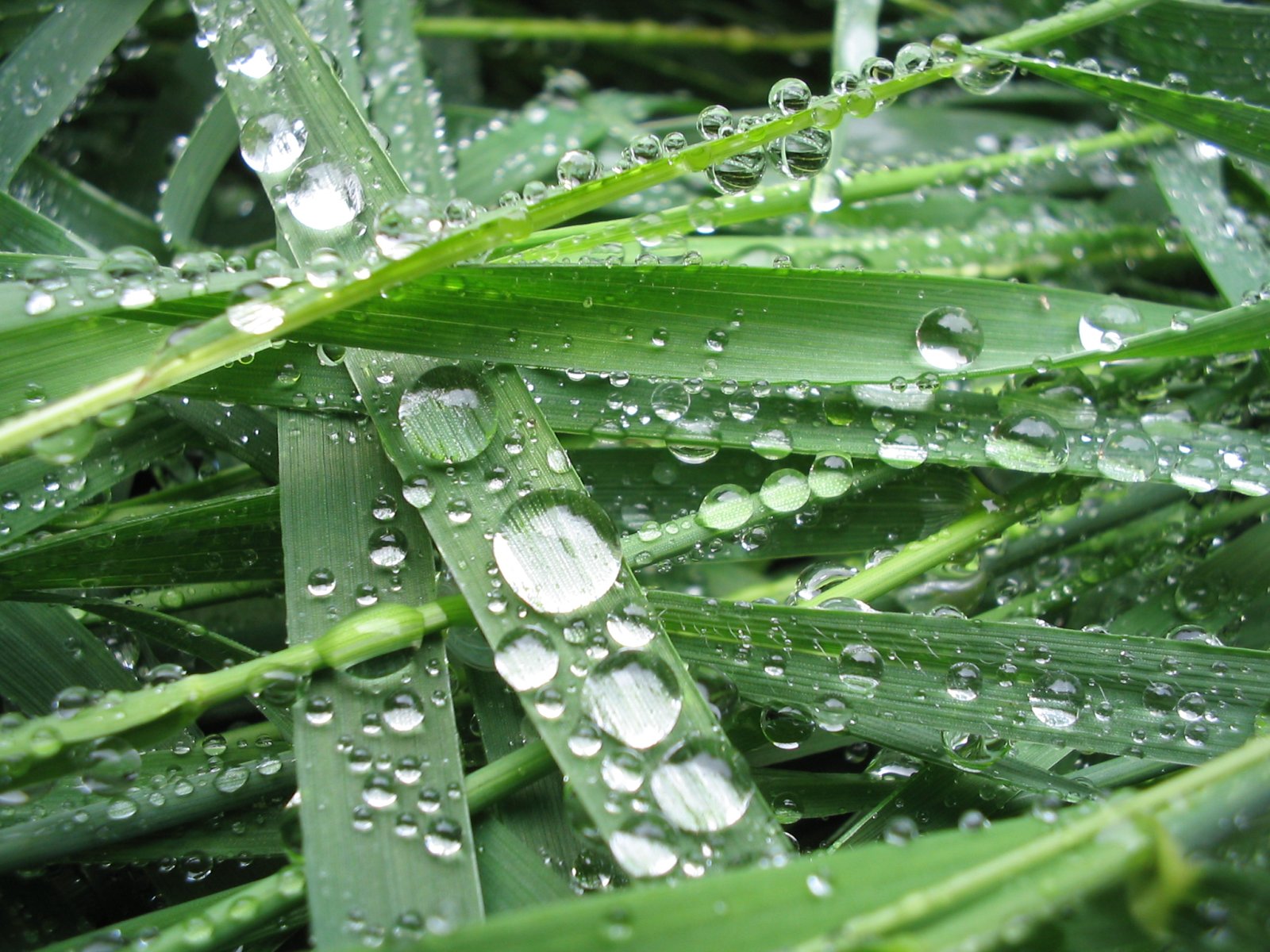
This is Cohesion. This makes the water droplets stay in place on the blades of grass.
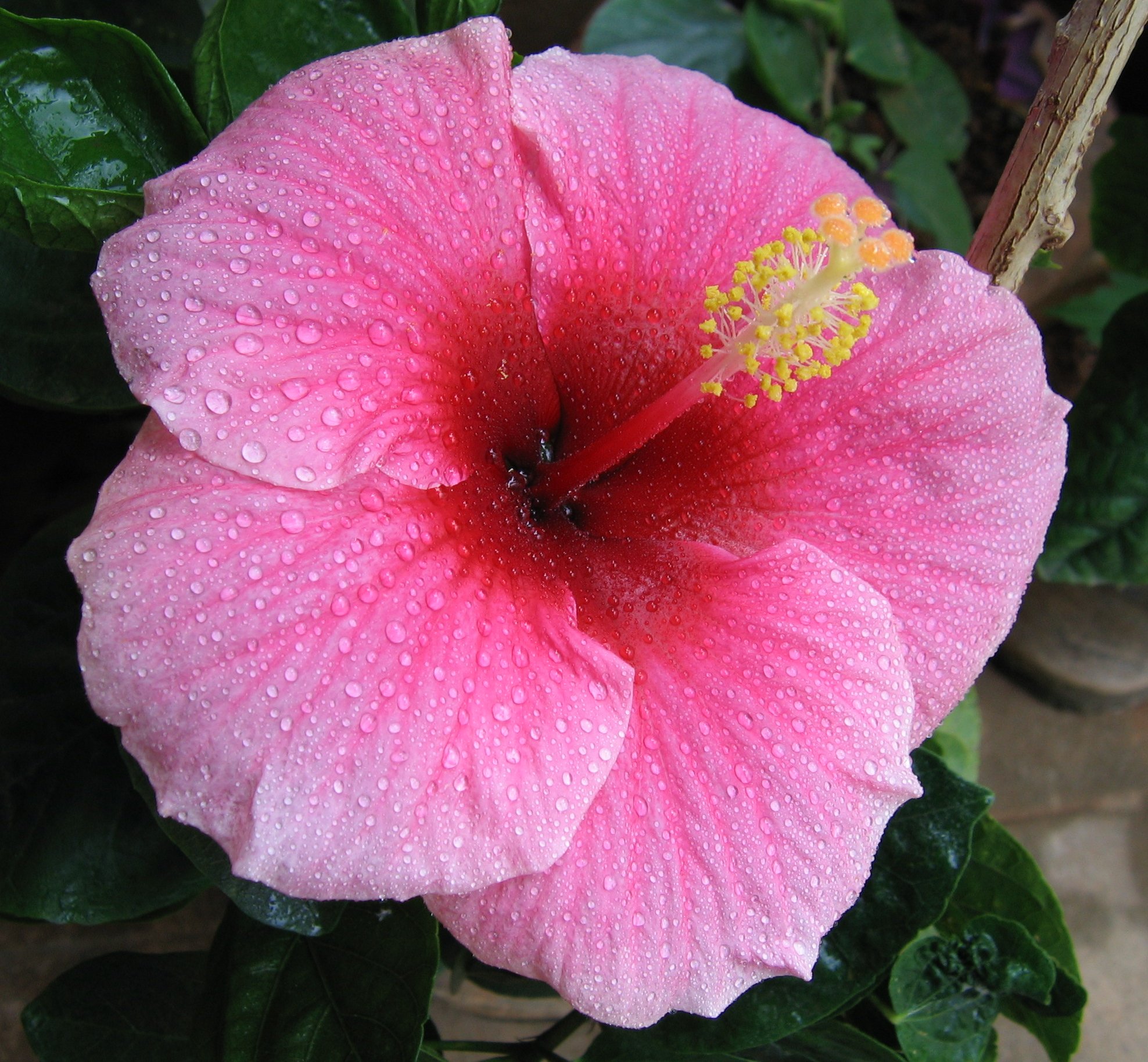
The water droplets on this flower a nearly round. This is an example of surface tension.
Eu-,A-,and Dis- photic
The euphotic zone is the brightest in the ocean. Its towards the top of the waters and has tons of light. There is a very large amount of animals that are adapted to to living in this region. The bottlenose dolphin is one. Dolphins need to be near the top of the water because they come up for air, that they take in through their blowhole. These animals also live in the tropical and temperate waters, being towards the top means the warmer the water. Bottlenosed dolphins find food at the surface of the water, things like fish and squid are the main source of food.
The next is the "twilight zone", or disphotic. There is very little light here, almost none. The animals that live in the disphotic zone are adapted to life in near darkness, cold water, and high pressure. Many of the animals in this zone have large eyes, helping them see in the extremely dark waters. Most are small, dark, and thin. This helps camoflauge them. Many have large teeth and jaws. But among all the animals with teeth, jellyfish are in the small category that don't have any. Although they don't have teeth, they do eat fish. These animals don't have eyes, but they can light up and have a pulsating effect in the dark waters. Jellies have soft bodies and long, stinging, poisonous tentacles that they use to catch fish.
The deepest, darkest part of the ocean is the aphotic zone. Many of the animals here generate their own light. Their bodies are mostly all dark and long. Fish like the hatchetfish are adapted to look like the lighter waters above so they can't be seen different from the bottom. These fish have one side darker then the other and have photofors that can change to the color of the surface water above. This makes them almost invisible from below.
The next is the "twilight zone", or disphotic. There is very little light here, almost none. The animals that live in the disphotic zone are adapted to life in near darkness, cold water, and high pressure. Many of the animals in this zone have large eyes, helping them see in the extremely dark waters. Most are small, dark, and thin. This helps camoflauge them. Many have large teeth and jaws. But among all the animals with teeth, jellyfish are in the small category that don't have any. Although they don't have teeth, they do eat fish. These animals don't have eyes, but they can light up and have a pulsating effect in the dark waters. Jellies have soft bodies and long, stinging, poisonous tentacles that they use to catch fish.
The deepest, darkest part of the ocean is the aphotic zone. Many of the animals here generate their own light. Their bodies are mostly all dark and long. Fish like the hatchetfish are adapted to look like the lighter waters above so they can't be seen different from the bottom. These fish have one side darker then the other and have photofors that can change to the color of the surface water above. This makes them almost invisible from below.
Subscribe to:
Posts (Atom)